When Holiday Emotions Run High
When Holiday Emotions Run High
By Kienya Jones, Clinical Therapist, One Family Illinois
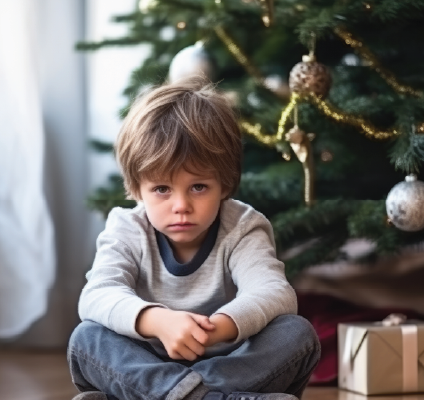
For some children in foster care, the holidays are not a joyous time. The season brings back memories of traditions and loved ones they miss and experiences that are out of their control.
The role of adult caregivers is not to force holiday happiness, but to create emotional safety.
Symptoms of holiday and seasonal depression that look like “bad behavior” may really be a signal of grief.
Signs to watch for:
· Pulling away or staying in their room
· Irritability, tantrums, or sudden outbursts
· Refusing traditions or decorating
· Tearfulness or clinginess
· Sleep or appetite changes
· Failing grades or acting out at school
Changes in behavior may be grief, sadness, or loneliness, not necessarily defiance. Before correcting the behavior, consider the emotion.
Ways to help create a safe emotional space:
Name the feeling. Say out loud that the holidays can be hard.
Honor their past. Make room for birth-family memories, photos, traditions, and favorite foods.
Check in one-on-one. Quiet time together with no fixing required.
Offer choices. Let your child opt in to traditions and decide how much to join.
Stay predictable. Share the holiday plan, visits, and calls ahead of time.
Go easy on rules. Respond to the feeling first, then address the behavior later.
When to reach out for help.
Call your caseworker or the child’s therapist if sadness or withdrawal lasts more than a couple of weeks, behaviors escalate, or your child talks about hurting themselves or running away.
Resources
Crisis support, any time: call or text 988
Illinois CARES Line 1-800-345-9049
Emergency 911
For more information, contact One Family Illinois' Director of Communications, Kathy Wolf, at kwolf@onefamilyillinois.org or (312) 388-0176.